
http://fortune.com/2015/08/14/f-35-joint-strike-fighter/
Thank you Norm Augustine for giving us this piece of junk instead of a base on the Moon. And to continue the earlier letter to Paul:
October 21, 2015 at 10:54 am
http://www.sciencedaily.com/releases/2015/10/151020192331.htm
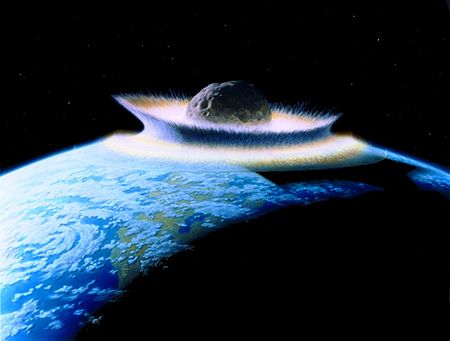
At the beginning of the year I commented on a fairly well known blog about the danger of an asteroid or comet impact- specifically, I completely disagreed with the author who was trivializing the danger. There were of course several wishy-washy waffle statements in the article so he could plead not guilty but it was obvious he was portraying it all as a joke. He answered my arguments with a string of replies that were increasingly hostile and insulting until perhaps he realized that was not such a good idea and deleted the entire conversation. http://www.wired.com/2015/01/fun-flaming-death/
Two weeks later came the Chelyabinsk event.
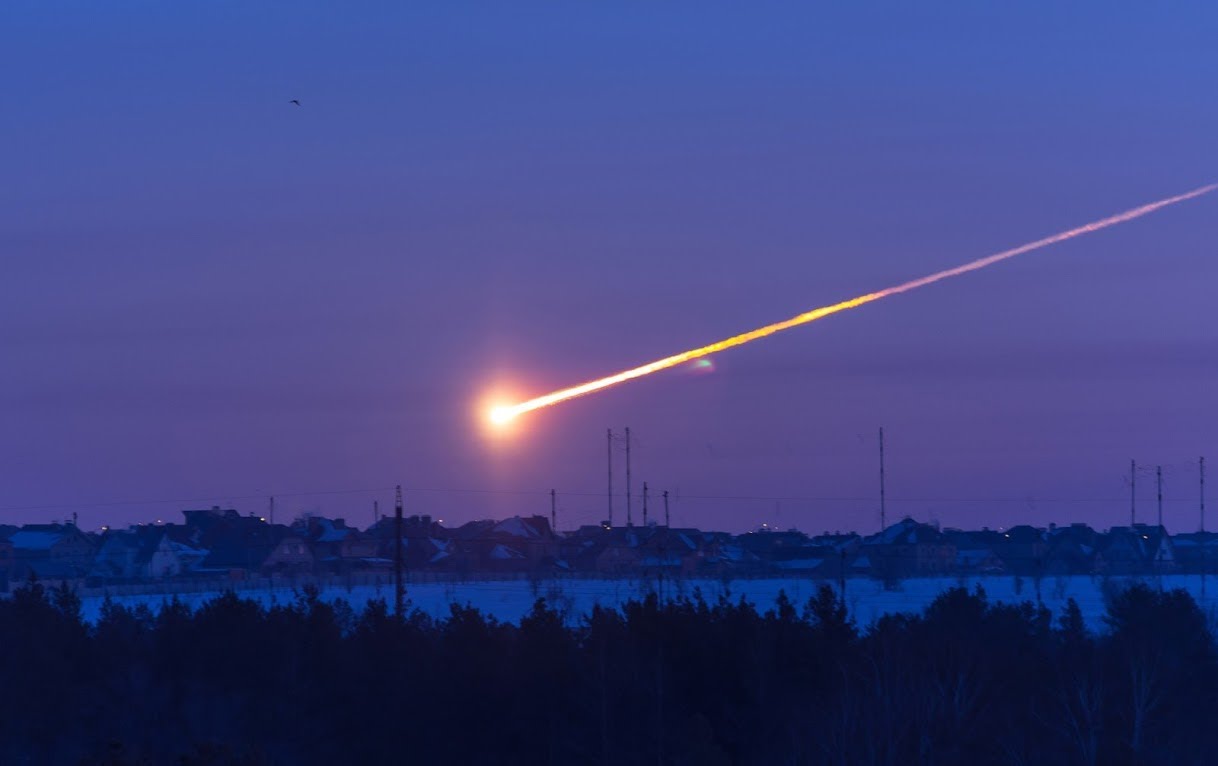
Said author column has since been discontinued but I doubt his “fun with flaming death” article had anything to do with that. Many of the so-called experts who write popular science columns are among the worst liars and deceivers in popular culture media. The almost unanimous support for NewSpace and the flexible path among this bunch of charlatans shows they do not take their profession or integrity as journalists seriously.





 oldAtlas_Eguy
  Ice on the Moon
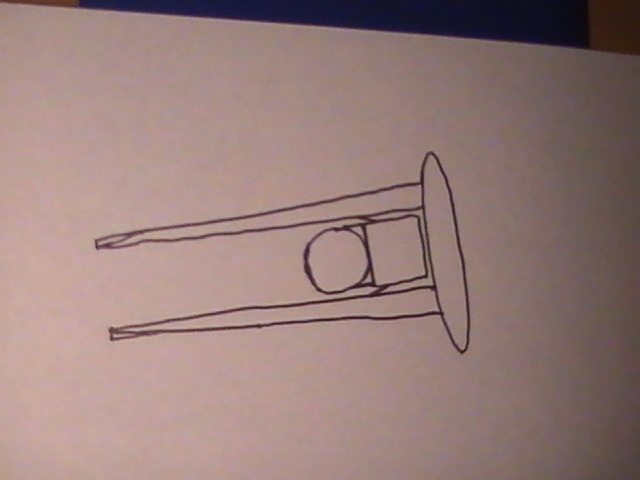
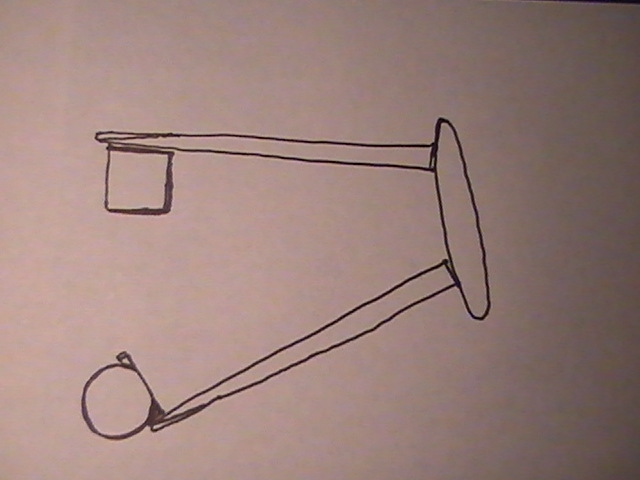
“A reusable Extraterrestrial landing vehicle could operate between the Earth-Moon Lagrange points and LEO and between the Lagrange points and the lunar surface using propellant derived from lunar water. A super heavy lift vehicle is great for deploying heavy cargo within cis-lunar space but its an inefficient crew launch vehicle since it throws away all of its components– every launch. This makes it necessary for the lander to dive 20,000 miles from GEO into LEO to pick up human beings and then boost out of LEO- presumably with propellants taken on at a fuel depot. What a mess. The Super Heavy Lift has to “throw away it’s components” but it can reuse them. And all the humans are on Earth right now so…..
Chemical rockets operating between the Earth-Moon Lagrange points and high Mars orbit would be much more efficient than nuclear rockets operating between LEO and high Mars orbit– because of the substantially lower delta-v requirements when launch vehicles from the Lagrange points. Plus the delta-v requirements to supply water and propellant for interplanetary vehicles launched from the Lagrange points is substantially lower than trying to supply fuel and water from the Earth’s deep gravity well. Nuclear rockets would never be allowed to operate in the magnetosphere, let alone in LEO or GEO.
IVF technology being developed by the ULA will enable us to utilize hydrogen and oxygen very efficiently. That piston engine is no miracle solution and while it might work well maintaining oxygen for an extended mission, hydrogen is a whole different set of problems.
Commercial crew vehicles will been in operation long before the SLS is launching humans into space. Perhaps, but it is meaningless since they are not going anywhere except LEO and that is nowhere.
Marcel