In my view, space is either going to go a certain way or we are not going.
The first deciding factor is whether getting human beings off-world into independent colonies is going to be made the goal. This is actually how it all must start- by everyone agreeing that these survival colonies are the ultimate goal. An insurance policy for our species is the only way we are going to end up in space. These independent colonies are going to be artificial spinning hollow moons made of lunar material, at least for the next couple centuries. How big they are going to be is the interesting question. There is going to be a magic number based on available material strength and the most efficient construction technique. Diameter will be in miles anyway- whether a few or many is not clear. The fanboys do not get it and think we are going to Mars.
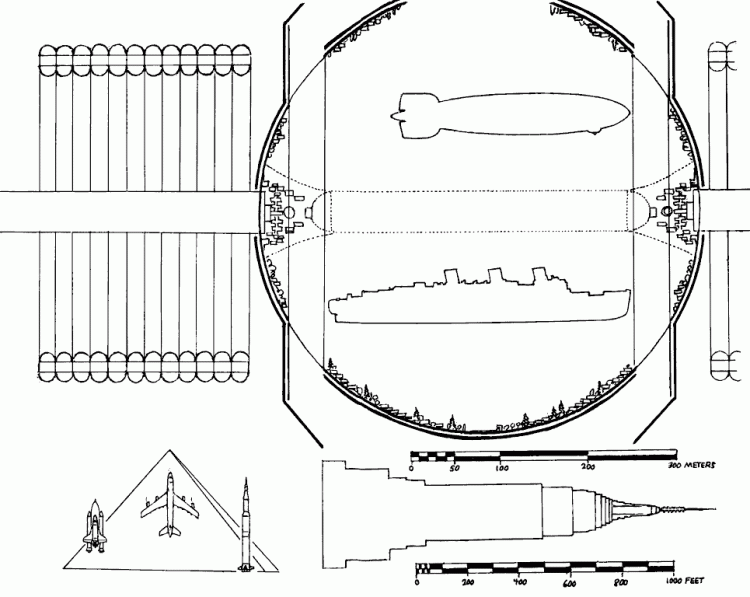
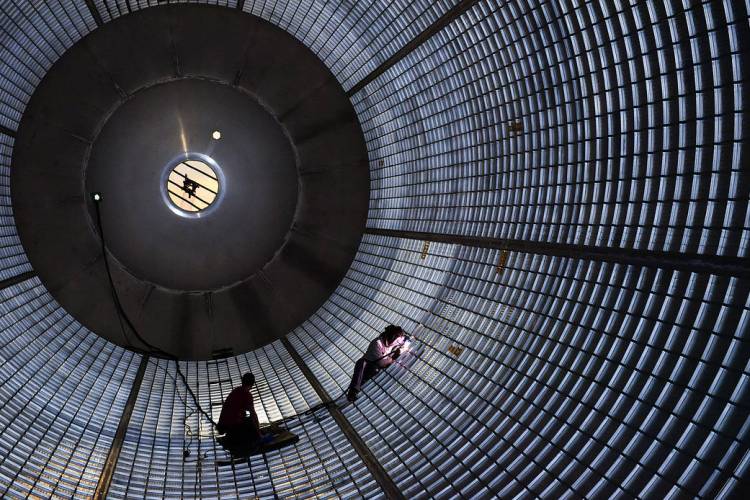
The second deciding factor is how to first create that Cislunar infrastructure that will turn the Moon into a factory manufacturing artificial worlds. The critical enabler is going to be a Nova-class Super Heavy Lift Vehicle (SHLV) with a “Fat Workshop.” Exactly how big the vehicle has to be likely depends on how large the wet workshop is. The Saturn V was 33 feet in diameter and since a cosmic ray water shield is going to be 15 feet or so thick then a double envelope may be up to 60 feet in diameter. One option might be the smaller diameter upper stage being placed inside the large diameter lower stage to effect the double envelope. The final design is going to be larger than any presently planned iteration of the SLS. The minimum acceptable amount of living space for long duration missions is the psychological requirement that will determine the size of the SHLV.
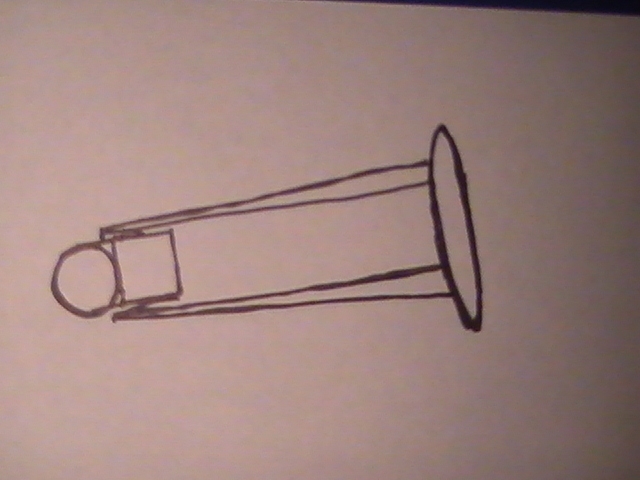
These workshops, when attached to each other with tether systems, will provide that vital prerequisite of a near-sea-level-radiation and one-gravity environment.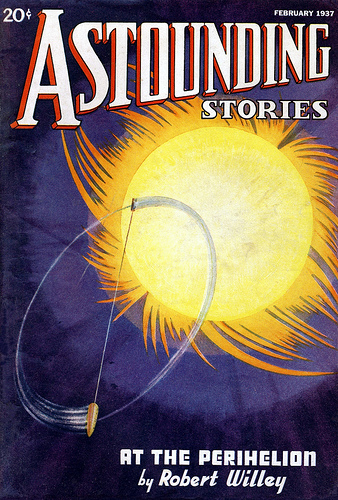
The third determining factor after how to get humans in the vicinity of the Moon for long periods are the Landers that will take workers down to the factories under the lunar surface. If there is ice at the poles in solid sheets and it has volatiles trapped in it then Robot Landers will be able to exploit these resources and make methane propellent, which is much easier to store and transfer than liquid hydrogen. The semi-expendable Landers will be able to intercept wet workshops and insert them into frozen lunar orbits and then fill their cosmic ray shields with water in preparation for astronauts. Landers can also dock with these crew sections and boost them into Lunar Cycler orbits around the Earth and Moon. Once the Lunar Cycler fleet and a ring of human-crewed GEO telecom platforms is in place then the first true spaceships can be assembled.
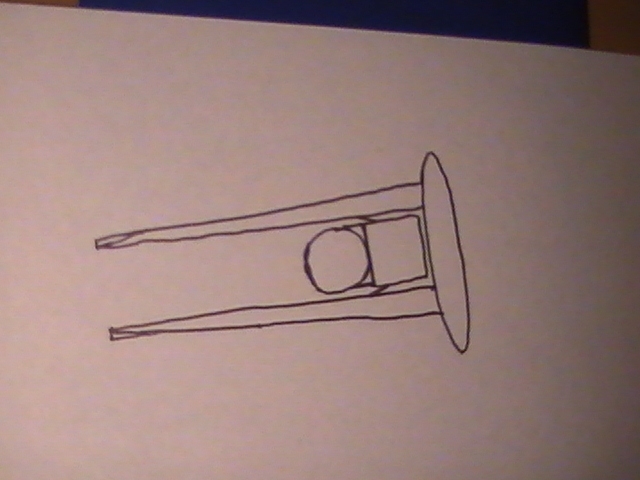
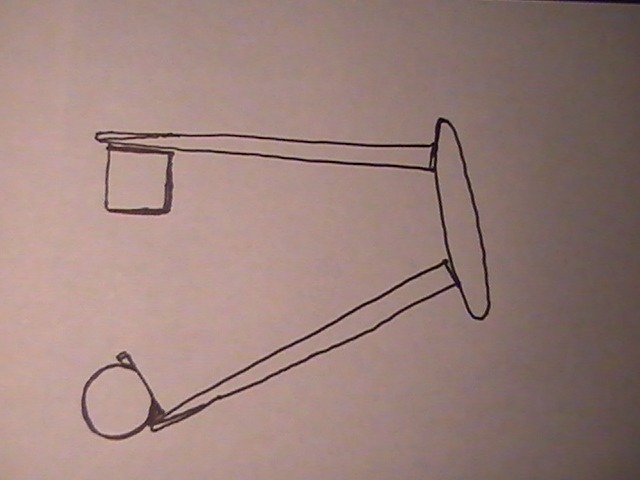
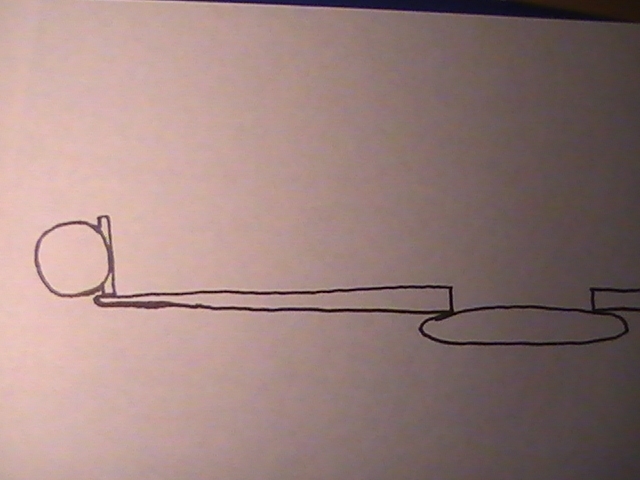
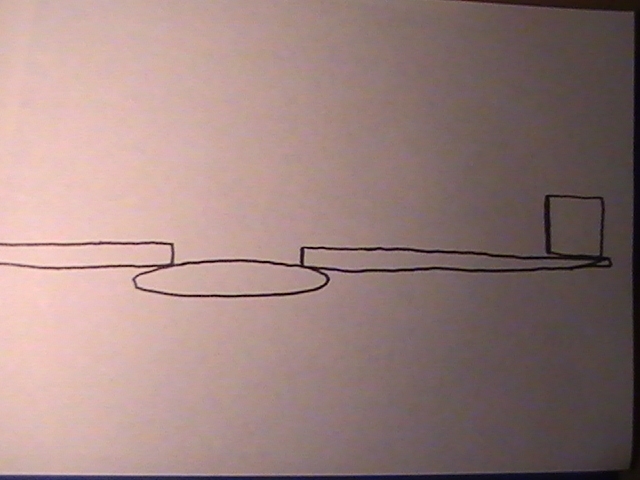

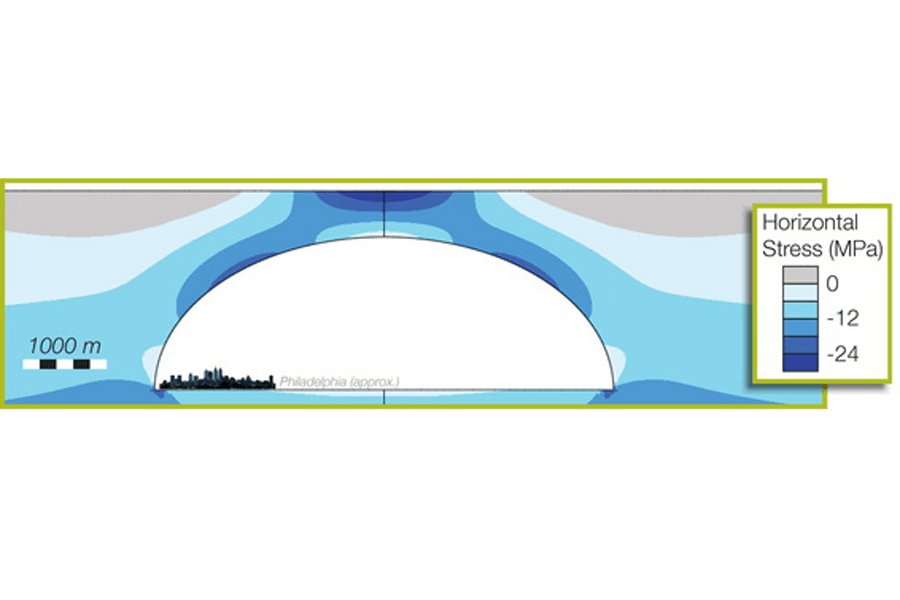
The variables are the resources on the Moon- such as whether there are comet volatiles trapped in ice and whether there are suitable large lava tubes that can be used as ready made factory sites.
The Narrow Path
The problem is radiation and zero G. Dosing and debilitation. The solution is the ice on the Moon used to fill a cosmic ray water shield. And of course a Lander to get the water and bring it up to the crew compartment. That habitat is going to have to be some kind of Skylab wet-workshop and only the SLS, likely a larger iteration with much bigger boosters, can place something big enough to hold that much water in the vicinity of the Moon. For every ton of tap water brought from Earth twenty-two tons can be brought up from the lunar poles. And water is by far the most utilitarian shielding material.
These are the hard facts, the elephant in the room. The article by Eugene Parker in Scientific American from 2006, “Shielding Space Travelers” makes it clear these plans for some kind of Lunar ISS are not going to work. It is not just radiation, artificial gravity to prevent debilitation is also required for long duration missions and a tether system is the only practical way to do that. A near-sea-level-radiation and one-gravity environment is the prerequisite and there is no way around that. It is long past time to end permanent damage to astronauts, especially young females.
The narrow path, not the flexible path, is the only path- and it means abandoning LEO and funding more SLS production to enable a shuttle era cadence. That is really the only way a “sustainable” human presence Beyond Earth Orbit (BEO) is possible.
 Ice on the Moon